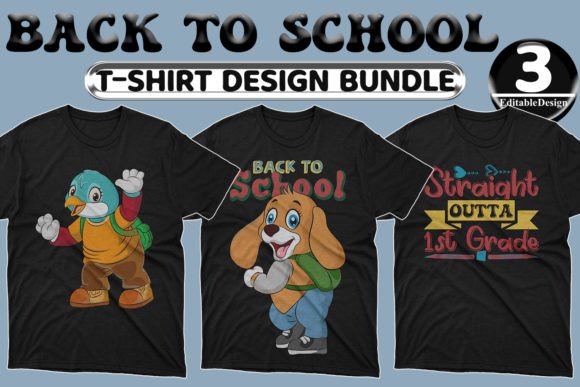
Retro Back to School T-shirt Design, My
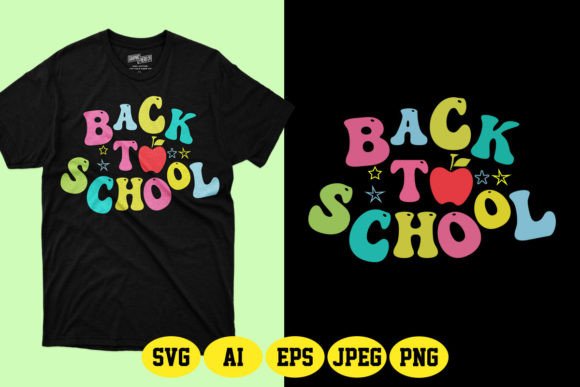
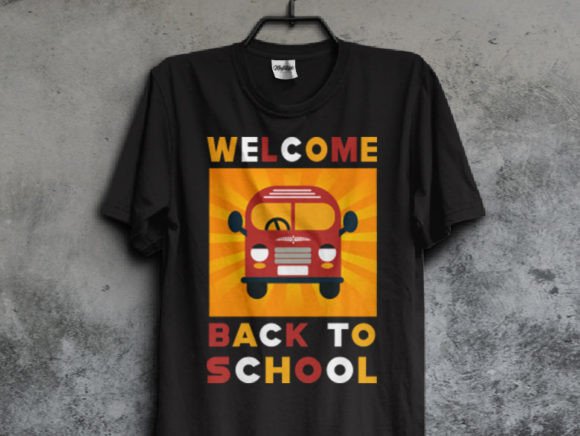
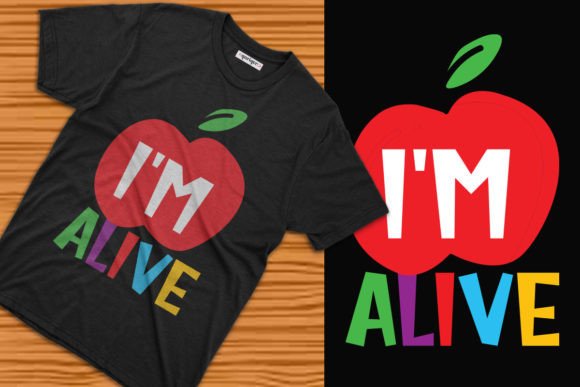
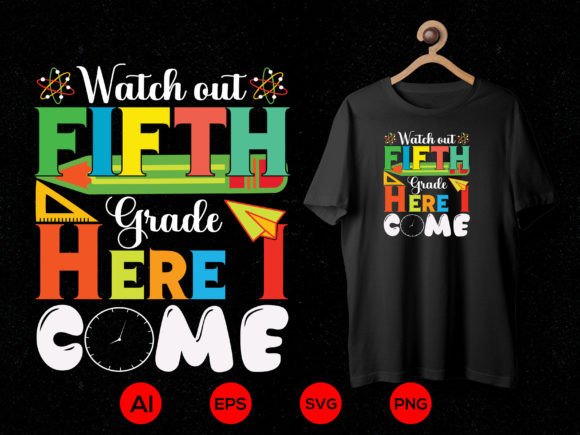
Retro Back to School T-shirt Design, My is a ready-to-use digital design package intended for printing on apparel—specifically T-shirts commemorating a child’s first day of school. It features nostalgic, vintage-inspired visual elements such as 1980s or 1990s typography, retro color palettes (think teal, mustard, coral), and playful motifs like pixel art, cassette tapes, or chalkboard textures. The phrase “My 1st Day of School” is integrated into the layout, emphasizing personalization and milestone celebration. Unlike generic back-to-school graphics, this design centers the child’s perspective—“My”—which supports emotional resonance and family-oriented gifting.
Why Someone Might Consider This Design
Parents, teachers, and small-batch apparel creators often seek designs that balance sentimentality with visual distinction. Retro Back to School T-shirt Design, My appeals to those who want to move beyond clichéd apples or backpack icons. Its retro aesthetic taps into broader cultural trends where nostalgia serves as both comfort and stylistic shorthand—especially among millennial and Gen X caregivers who associate these visuals with their own childhood school experiences.
It may also suit users prioritizing practicality: the ZIP file includes four file formats—EPS, SVG, PNG, and DXF—each serving different production needs. This multi-format support lowers entry barriers for various workflows, whether screen printing, heat transfer vinyl (HTV) cutting, or digital direct-to-garment (DTG) printing.
Benefits of Using This Design
The inclusion of EPS and SVG files ensures scalability without quality loss—essential for resizing across shirt sizes or adapting for tote bags or mugs later. SVG is particularly useful for Cricut or Silhouette users needing vector-based cut files; DXF offers compatibility with many industrial vinyl cutters. The PNG provides a high-resolution raster option ideal for quick mockups or online storefront previews.
Because the design is pre-made and delivered in production-ready formats, it eliminates the need for custom illustration or graphic design services—saving time and reducing upfront creative labor. For educators organizing class-wide photo days or parents coordinating sibling shirts, having a cohesive, polished design speeds up decision-making and execution.
Tradeoffs and Practical Considerations
While the retro style has broad appeal, it may not align with every family’s taste or school’s dress code expectations. Some institutions restrict graphics on clothing, especially if text or imagery could be misinterpreted or deemed distracting. Reviewing school policy before ordering or printing is advisable.
The design is fixed—not customizable beyond basic scaling or color adjustments in compatible software. Users expecting editable text layers (e.g., to change “1st” to “2nd” or insert a name) will find limited flexibility unless they have vector-editing proficiency. Minor edits—like adjusting font weight or repositioning elements—require familiarity with tools like Adobe Illustrator or Inkscape.
Color fidelity is another consideration. The retro palette relies on specific hues that may shift slightly depending on fabric type, printer calibration, or screen display. Ordering a physical test print on the intended garment material helps verify accuracy before bulk production.
When This Design Is a Strong Fit
Retro Back to School T-shirt Design, My works well for families documenting early academic milestones—particularly preschool or kindergarten entries—where emotional significance outweighs formal requirements. It suits photo sessions, orientation events, or social media sharing, where visual cohesion and nostalgic warmth enhance storytelling.
Small business owners producing limited-run school-themed merchandise—such as local boutiques or PTA fundraising initiatives—can leverage the included file types to serve diverse customer needs: DTG printers use PNG, while crafters using vinyl cutters rely on SVG or DXF. The absence of licensing restrictions (assuming standard commercial use terms apply) further supports small-scale resale, provided attribution isn’t mandated and no trademarked characters are embedded.
It’s also appropriate for educators building classroom identity. A coordinated set of “My 1st Day” shirts—worn by students during welcome activities—can foster belonging and reduce first-day anxiety through shared visual language.
When Alternatives May Be Worth Considering
If personalization beyond the preset phrase is essential—such as adding a child’s name, grade level, or school logo—users should evaluate whether built-in text layers allow safe editing or whether sourcing a fully customizable template would better serve long-term needs. Some marketplaces offer editable Canva or PowerPoint templates that enable drag-and-drop changes without vector software.
For schools requiring neutral, non-branded apparel—or for families preferring minimalist, modern aesthetics—this retro design may feel overly thematic. Simpler typographic treatments or monochrome line-art alternatives could provide broader versatility across seasons and age groups.
Users planning large-volume orders (e.g., 50+ shirts) might compare costs between using this design with a local print shop versus subscription-based print-on-demand platforms. While the design itself incurs no recurring fee, setup charges, minimum order quantities, or per-unit pricing models vary widely—and may influence total cost more than file format convenience.
Making an Informed Decision
To determine whether Retro Back to School T-shirt Design, My fits your goals, begin by clarifying your primary use case: Is it for personal keepsake, classroom activity, or commercial resale? Next, assess your technical capacity—do you have access to vector-editing software or a reliable printer familiar with EPS/SVG files? If not, confirm whether your production partner accepts all four included formats.
Consider audience alignment. Does the retro look reflect how you or your community engages with school traditions? Observing how similar designs perform on platforms like Instagram or Etsy—particularly in terms of engagement or reviews mentioning wearability and print durability—can offer indirect validation.
Finally, examine file integrity before purchase or download. Open the SVG in a browser or vector editor to verify layer organization and absence of embedded raster images. Check the PNG resolution (ideally 300 DPI at intended print size) and ensure the DXF imports cleanly into your cutting software. These steps prevent delays during production and clarify whether additional prep work is needed.
Conclusion
Retro Back to School T-shirt Design, My delivers a focused, production-ready solution for a specific commemorative purpose. Its strength lies in stylistic intentionality and format versatility—not in limitless customization. Readers evaluating this design should weigh emotional resonance against functional constraints, prioritize compatibility with their existing tools and partners, and remain attentive to contextual factors like school guidelines or long-term usage plans. When matched thoughtfully to need, it offers efficiency, charm, and consistency—without requiring design expertise or extended iteration.