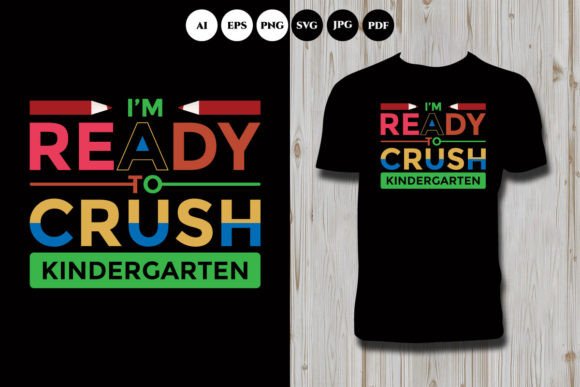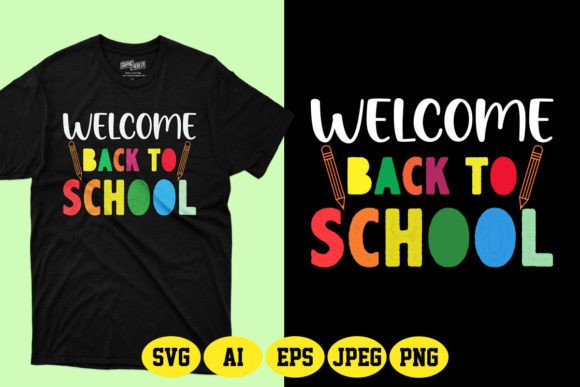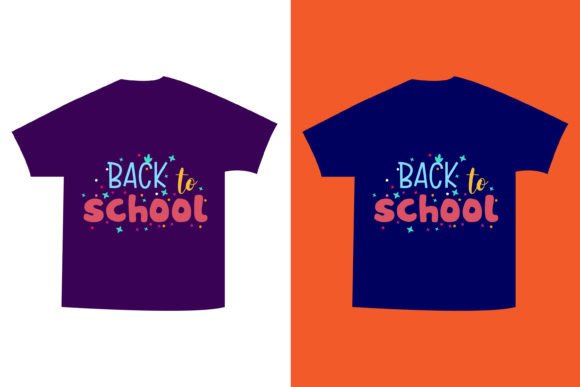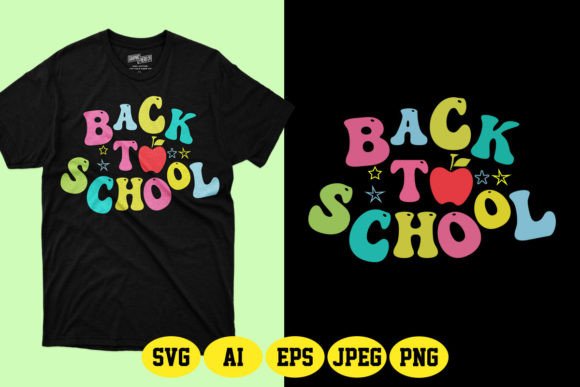
Back to School Lettering That Grows With Your Creative Workflow
Back to School Lettering isn’t just about chalkboard fonts or playful script—it’s a practical design language that bridges intention and execution. Whether you’re an educator welcoming students, a parent celebrating a child’s milestone, a small business owner launching a seasonal promotion, or a freelance designer building custom merch for clients, this style communicates energy, readiness, and personal connection. Unlike generic clipart or overused templates, purpose-built Back to School Lettering carries structural integrity: clean vector paths, intentional spacing, scalable proportions, and thoughtful typographic hierarchy. That’s why it’s increasingly sought after—not as decoration, but as a functional asset in real-world creative projects.
Why This Style Fits Modern Creative Needs—Not Just Calendar Cycles
School seasons no longer follow rigid academic calendars alone. Homeschool co-ops, adult learning programs, coding bootcamps, community workshops, and even corporate onboarding initiatives now adopt “back to school” as a symbolic reset—a moment to re-engage, relearn, and reaffirm shared goals. As a result, demand has shifted from one-off printed posters to flexible, reusable digital assets. Designers and non-designers alike need files that adapt across platforms and purposes without losing quality or brand alignment. That’s where vector-based Back to School Lettering shines: it doesn’t degrade when scaled for a tote bag or resized for a social media banner. It stays crisp on screen and sharp on fabric—because the underlying geometry is mathematically precise, not pixel-dependent.
From Static Graphics to Living Design Systems
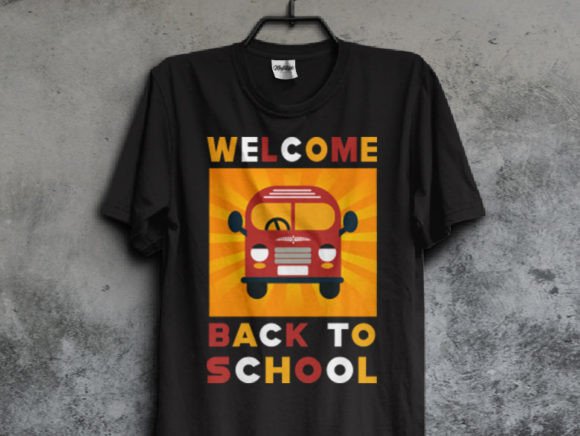
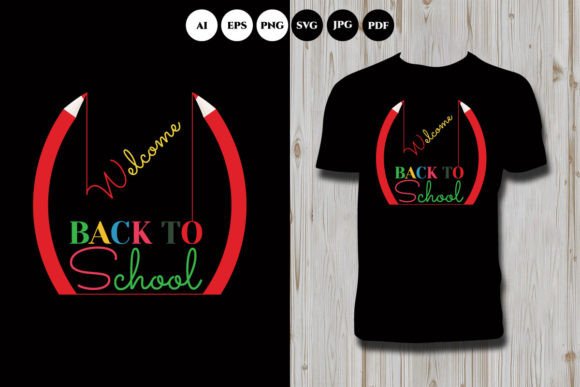
Today’s users expect more than a single JPEG. They want control—over color, layout, size, and context. The Back To School T Shirt Design offered by Shaan Design Store reflects this shift: 100% color-changeable, built with layered vector shapes, and delivered in industry-standard formats including AI CS6, EPS 10, SVG, PNG (transparent), JPG, and PDF. This isn’t just convenience—it’s compatibility. An educator can drop the SVG into Canva to customize class names; a print-on-demand seller can import the AI file directly into their workflow for precise screen printing; a marketer can extract individual letters from the EPS to animate a welcome sequence. Each format serves a different stage of production, reducing friction between idea and output.
Real-World Use Cases Beyond the T-Shirt
While the product title highlights t-shirts, the versatility lies deeper. Consider these grounded applications:
- Classroom culture building: A teacher prints the lettering on durable vinyl, cuts out letters for a bulletin board, and swaps colors each month to reflect themes like “Growth Mindset” or “Kindness Counts.”
- Small business promotions: A local bookstore uses the same vector file to create matching window decals, tote bags for back-to-school bundles, and Instagram story graphics—all maintaining visual consistency without redesigning from scratch.
- Family tradition kits: Parents assemble personalized first-day-of-school signs using the PNG transparent layers, overlaying photos in free editing tools—no design experience needed.
- Event branding: A homeschool network applies the lettering to event banners, name tags, and digital invitations, adjusting hue to match their existing palette rather than forcing their brand into a fixed design.
What ties these examples together isn’t nostalgia—it’s efficiency rooted in thoughtful file architecture. When every element is editable, reusable, and resolution-independent, time spent tweaking replaces time spent recreating.
How File Format Choice Reflects Real Workflows
The inclusion of AI CS6 and EPS 10 speaks directly to professionals who rely on Adobe Illustrator for precision work—especially those preparing files for commercial printers or embroidery digitizers. SVG ensures web-friendly interactivity and responsiveness, ideal for educators embedding designs into LMS platforms or bloggers optimizing for mobile readers. PNG with transparency supports quick drag-and-drop use in beginner-friendly tools like Cricut Design Space or PicMonkey. Even the JPG and PDF serve distinct roles: JPG for fast email previews or social sharing; PDF for proofing layouts or sharing with clients who don’t have design software. This range isn’t arbitrary—it mirrors how people actually move between tools, teams, and delivery channels today.
Practical Tips for Getting Started
You don’t need advanced software to benefit from these files. Here’s what works right away:
- Extract the ZIP first. Double-clicking works on most modern macOS and Windows systems—no WinRAR or WinZip required unless your system is older or heavily customized.
- Start with the SVG or PNG. These open instantly in browsers, free editors, and many mobile apps. Adjust colors using built-in filters or layer blending options.
- Use the AI or EPS only if you need to edit individual anchor points, recolor specific letters independently, or prepare for professional printing. Don’t feel pressured to use them unless your project demands that level of control.
- Test before scaling up. Even vector files can appear misaligned at extreme sizes if stroke weights or effects aren’t optimized—preview at 100% zoom first, then scale incrementally.
Remember: the goal isn’t technical mastery—it’s expressive clarity. A well-chosen Back to School Lettering file helps you say “we’re ready” with confidence, whether you’re addressing twenty students or launching a new service line.
Design That Supports, Not Overwhelms
Shaan Design Store’s approach reflects a broader movement in digital design: away from disposable graphics and toward sustainable, adaptable resources. There’s no subscription, no watermarks, no usage limits. You own the files outright—free to modify, combine, and repurpose across personal, educational, and commercial contexts (always review the included license for specifics). That autonomy matters, especially for creators juggling multiple roles: a graphic designer also running a side hustle, a teacher developing supplemental materials, or a freelancer supporting small businesses with limited budgets. Knowing you can reuse one purchase across several campaigns—or share it thoughtfully with colleagues—adds tangible value beyond aesthetics.
Looking Ahead—Without Chasing Trends
Back to School Lettering won’t vanish when summer ends. Its relevance extends into welcome signage for new hires, orientation kits for university staff, or even wellness retreats themed around “new beginnings.” What’s changing isn’t the concept—but how deeply it’s integrated into everyday tools and expectations. Future iterations may include variable font versions for dynamic sizing, accessible contrast variants for inclusive classrooms, or even Figma-compatible components for collaborative design sprints. But today’s strength lies in reliability: clean vectors, broad format support, and immediate usability. That’s not flashy—but it’s what professionals return to, again and again.
Whether you're designing for a classroom, a family ritual, a small shop, or your own creative practice, Back to School Lettering works best when it fades into the background—supporting your message instead of competing with it. And when the files arrive in one organized ZIP, fully editable and cross-platform ready, that support starts the moment you double-click.