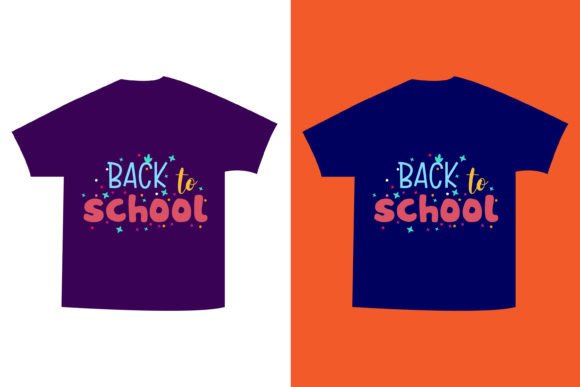
Back to School Information: A Strategic Creative Asset for Modern Makers and Brands
As summer winds down and calendars shift toward structured routines, Back to School Information emerges not just as a seasonal theme—but as a high-intent, cross-sector creative catalyst. For professionals, creators, entrepreneurs, and marketers, it represents more than nostalgic motifs or classroom checklists. It’s a timely, versatile, and commercially resonant content category—now powerfully amplified by scalable digital assets designed for precision execution across physical and digital touchpoints.
What “Back to School Information” Really Means Today
Historically, “Back to School Information” referred to logistical resources: supply lists, bell schedules, enrollment deadlines, and district policies. But in today’s landscape, the term has evolved into a broader strategic concept—one that bridges education, identity, community, and self-expression. It encompasses visual storytelling that reflects academic milestones, personal growth, organizational readiness, and even playful nostalgia. Think: customizable name tags for new hires, branded orientation kits for remote teams, student-led design challenges, or inclusive classroom décor that celebrates neurodiversity and cultural representation.
This expanded definition is what makes Back to School Information uniquely valuable to professionals beyond K–12 institutions. Freelance designers use it to craft client-ready templates for university marketing departments. Small-batch apparel brands embed it into limited-run merch drops targeting grad students and faculty. Edtech startups integrate related visuals into onboarding flows to humanize digital learning platforms. In each case, the underlying need isn’t decoration—it’s meaningful connection through context-aware design.
Why This Moment Matters: Convergence of Trends and Capabilities
Three interlocking forces are elevating the relevance of Back to School Information as a professional creative resource:
- The Rise of Hybrid Work and Learning Ecosystems: With remote, hybrid, and in-person modalities now coexisting as standard—not exception—organizations require flexible, reusable assets that translate seamlessly across environments. A single SVG file can scale from a Zoom background to a laser-cut welcome sign for a campus lab.
- Democratization of Production Tools: Cutting machines like Cricut and Silhouette, paired with accessible design software (Affinity Designer, Adobe Illustrator, Inkscape), have turned once-specialized fabrication into an everyday workflow. Professionals no longer outsource simple production—they iterate, test, and deploy in-house. That shift demands files built for technical fidelity: vector-based (SVG, EPS) for infinite scalability, and high-resolution raster (PNG at 300 dpi) for print consistency.
- Consumer Expectation for Personalization at Scale: Whether it’s a teacher personalizing lesson materials or a startup launching branded swag for its first cohort of interns, audiences increasingly expect custom-tailored experiences—even when delivered en masse. Back to School Information assets serve as foundational building blocks: modular, editable, and purpose-built for adaptation without sacrificing quality.
Practical Integration: From Files to Function
You’ll receive three production-ready file formats—SVG, PNG (300 dpi), and EPS—each serving distinct roles in your creative pipeline:
- SVG: Ideal for web use, interactive applications, and cutting machines requiring vector path data. Its XML-based structure allows precise layer control, making it perfect for animating elements or isolating components (e.g., swapping text labels on a diploma template).
- PNG (300 dpi): Optimized for high-fidelity print output—think t-shirts, mugs, stickers, and framed artwork. The resolution ensures crisp detail even at larger sizes, while transparency support enables clean overlays on textured surfaces like canvas or kraft paper.
- EPS: A legacy-standard vector format compatible with older design suites and large-format printers. Essential for agencies working with print vendors who still rely on PostScript workflows or require embedded fonts and color profiles.
These aren’t generic clipart files. They’re engineered for real-world application: clean anchor points for smooth cuts, optimized paths to reduce machine processing time, CMYK- and RGB-ready color palettes, and intentional spacing for weeding vinyl or aligning heat-transfer layers. That attention to technical nuance is what separates utility from friction—especially when deadlines tighten and iterations multiply.
Real-World Use Cases Across Professions
For Freelance Designers: Embed these assets into Canva or Figma templates for clients in higher education or corporate L&D. Customize color schemes, add institutional logos, and deliver editable brand-aligned kits—without rebuilding from scratch.
For Small Business Owners: Launch a “First Day Kit” collection—personalized backpack tags, motivational desk plaques, and reusable lunchbox decals—all cut from the same SVG source. Batch-produce variations using color-coded layers, then list them individually on Etsy or Shopify with minimal overhead.
For Marketing Teams: Repurpose elements across channels: animate a chalkboard icon (from the SVG set) for a LinkedIn carousel; print the same icon onto tote bags for conference swag; extract a monochrome version for email headers. Consistency strengthens recognition; flexibility sustains momentum.
Addressing Real Constraints—Not Just Features
We recognize that technical execution often stalls before creativity begins. That’s why these files assume realistic conditions—not ideal ones. Actual colors may vary slightly due to monitor settings. This isn’t a disclaimer—it’s an acknowledgment of how color management functions across devices and substrates. Similarly, the note—Depending on how you choose to print out the image, colors and quality may vary—isn’t limiting; it’s orienting. It invites intentionality: calibrating your screen, soft-proofing in your editing software, testing small batches before full runs.
And yes—you’ll need a computer to unzip the files and a design editing program that supports SVG, EPS, and PNG formats. But that requirement reflects current industry reality, not a barrier. Affinity Designer ($70 one-time), Inkscape (free and open-source), and even newer browser-based tools like Vectr offer robust SVG handling. The investment isn’t in expensive software—it’s in choosing tools aligned with your output goals, whether that’s precision die-cutting or responsive web display.
Looking Ahead: Beyond Seasonal Cycles
While rooted in an annual rhythm, Back to School Information is gaining year-round relevance. Micro-credentials, upskilling bootcamps, corporate academies, and lifelong learning platforms all draw from the same visual vocabulary: growth, preparation, clarity, and belonging. As learning becomes less event-based and more continuous, so too does the demand for adaptable, emotionally intelligent design systems.
That’s where forward-looking professionals gain advantage—not by stockpiling seasonal graphics, but by integrating Back to School Information assets into scalable design libraries. Version-controlled folders, standardized naming conventions, and documented color/typography pairings transform individual files into living resources. They become part of a repeatable process—not a one-off download.
In this context, the SVG, PNG, and EPS files you receive aren’t endpoints. They’re interoperable nodes in your creative infrastructure—designed to move fluidly between ideation, production, and distribution. They meet today’s needs with technical rigor, while remaining flexible enough to evolve alongside tomorrow’s tools, audiences, and expectations.
So whether you’re equipping a classroom, onboarding a team, launching a product line, or refreshing your brand’s educational content—start with intention, build with precision, and scale with confidence. Because Back to School Information, at its best, isn’t about returning to routine. It’s about advancing with clarity.