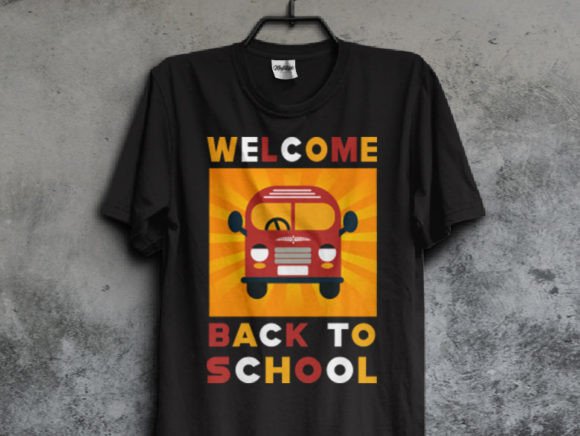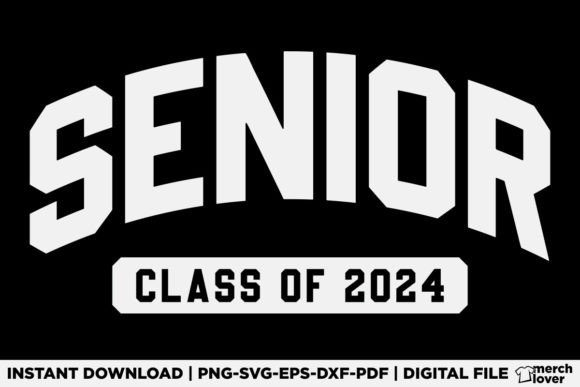
Senior 2024 Class of 2024 Back to School
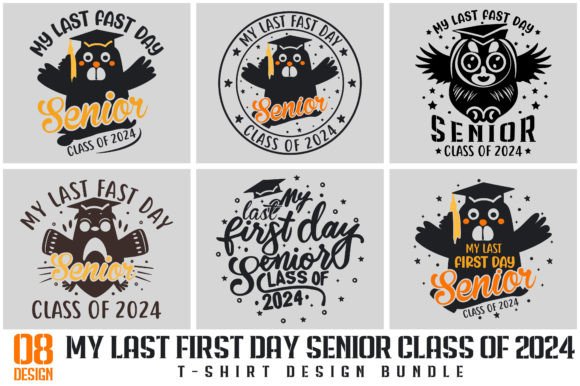
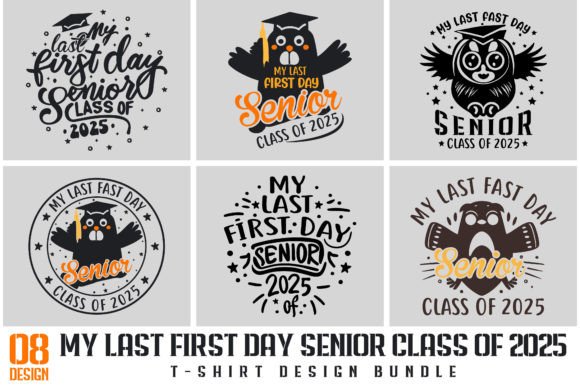
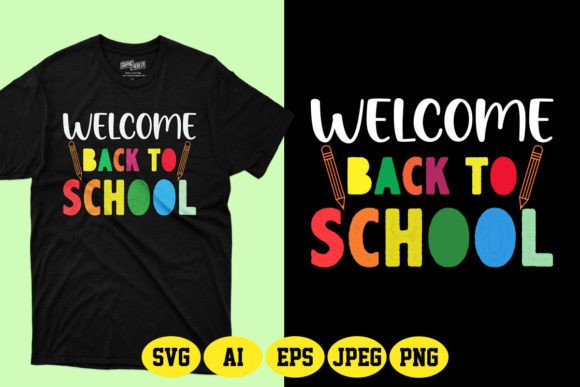
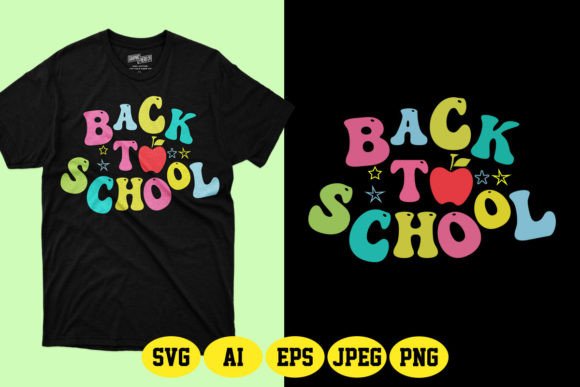
This isn’t just another graduation-themed design—it’s a warm, intentional visual nod to transition, pride, and shared celebration. The Senior 2024 Class of 2024 Back to School T-shirt design balances nostalgic school spirit with contemporary clarity. Visually, it leans into clean, confident typography—no excessive embellishment, no forced whimsy. Letters are well-spaced, slightly bolded for presence but never heavy; the “2024” anchors the composition with quiet authority, while “Class of 2024” and “Back to School” sit in thoughtful hierarchy. It avoids dated tropes (think overused laurels or cartoon caps) in favor of something that feels lived-in and genuine—like a handwritten note on a yearbook page, refined for print.
A Design That Works Wherever You Need It
Because this is a digital design asset—not a physical shirt—you’re not limited by fabric or screen size. Its strength lies in adaptability across formats and audiences. For crafters, it scales cleanly onto iron-on transfers for custom hoodies or tote bags. Small business owners use it in Canva or Adobe Express to build social media posts announcing senior spotlight features or school supply drives. Bloggers embed the PNG version into editorial roundups about back-to-school gifting. Educators drop it into printable classroom banners or parent newsletter headers. And yes—it holds up beautifully on mugs, canvas prints, and even engraved wooden keepsakes.
The included file types make that possible: the SVG preserves crisp edges at any scale for web use or Cricut/Silhouette cutting; the PNG (4500×5400px, 300dpi, transparent background) delivers pixel-perfect quality for high-res apparel mockups or print-on-demand platforms; the EPS ensures compatibility with legacy vector workflows; the DXF bridges into CAD-based fabrication tools; and the PDF gives quick preview access and basic editing in Acrobat. All compressed into one ZIP—no fragmented downloads, no missing layers.
Why File Variety Matters More Than You Think
Many designers assume “one format fits all.” In practice, that assumption breaks down fast. Say you’re prepping a batch of custom shirts for a PTA fundraiser. Your printer requires EPS for screen printing—but your team uses Canva for social ads, which only accepts PNG or SVG. Without both, you’d be stuck converting or compromising quality. Or imagine using the design for laser engraving on acrylic keychains: DXF is non-negotiable for precision toolpaths. Even something as simple as adding a subtle shadow in Photoshop? That’s easier with a layered PNG than wrestling with vector paths in Illustrator. Having all five formats means you don’t pause mid-project to hunt down converters or beg a designer friend for help.
Real-World Use Cases—Beyond the Obvious
- Scrapbooking & Memory Keeping: Print the PNG on photo paper, cut out letters, and layer them into senior memory books alongside candid shots from prom or graduation rehearsal.
- Local Business Branding: A neighborhood coffee shop could use the design on limited-run mugs for “Senior Study Hours”—blending community support with authentic tone.
- Social Media Story Templates: Import the SVG into Figma or Illustrator, add animated text overlays (“Congrats, Maya!”), and export as GIFs for Instagram Stories.
- Classroom Decor: Teachers print the design on cardstock, laminate it, and hang it beside student work displays—subtle, respectful, and age-appropriate.
- Personalized Gifts: Pair the design with a heartfelt note inside a handmade card, then scan and email it as a digital keepsake for grandparents who live far away.
What to Check Before You Use It Commercially
First: confirm the license permits commercial use—including resale of physical products like printed shirts or mugs. This pack does. Second: test readability at intended sizes. At 12pt on a business card, the design may lose impact—so reserve it for display contexts (banners, posters, large-format apparel) rather than fine-print applications. Third: consider contrast. On dark fabrics or backgrounds, the default black version works—but if you’re printing on navy or charcoal, test a white or gold variant first (you can easily recolor the SVG or EPS). Lastly, avoid stretching the design unnaturally. It was crafted with balanced proportions—distorting width or height undermines its visual confidence.
Pairing It Thoughtfully With Other Type
This design functions best as a display element, not body copy. When building full layouts—say, a graduation announcement or school newsletter—you’ll want supporting typefaces that complement without competing. Try a warm, humanist sans serif (like Lato or Nunito) for captions or subheads. Avoid overly decorative scripts or condensed fonts—they clash with the grounded rhythm of Senior 2024 Class of 2024 Back to School. If you’re designing for print, check line spacing and paragraph width: too tight, and the message feels rushed; too loose, and it loses cohesion. And remember—white space isn’t empty. It’s where the design breathes, and where pride quietly settles.
Whether you're a parent ordering a keepsake shirt for your daughter’s first day of senior year, a graphic designer sourcing assets for a university campaign, or a small-batch entrepreneur launching a seasonal collection—this design meets you where you are. It doesn’t shout. It doesn’t overpromise. It simply says, clearly and kindly: This moment matters.