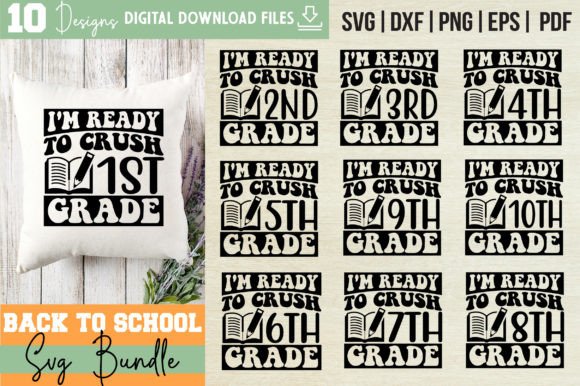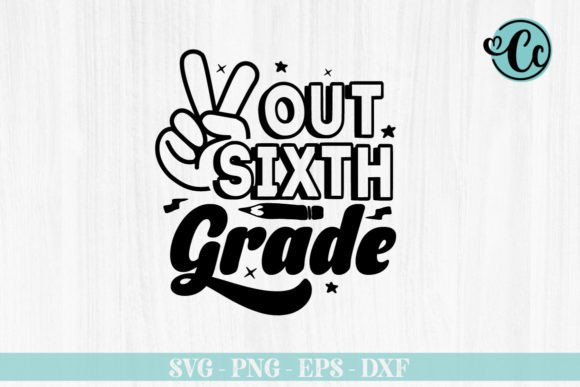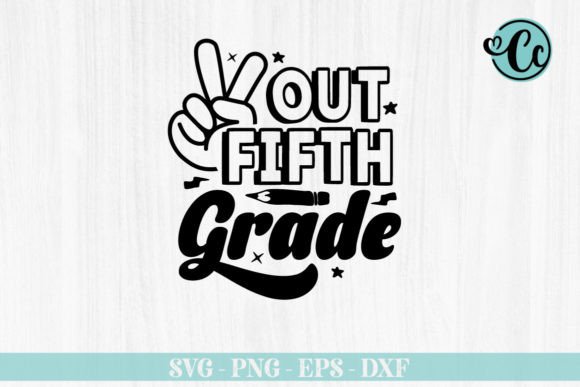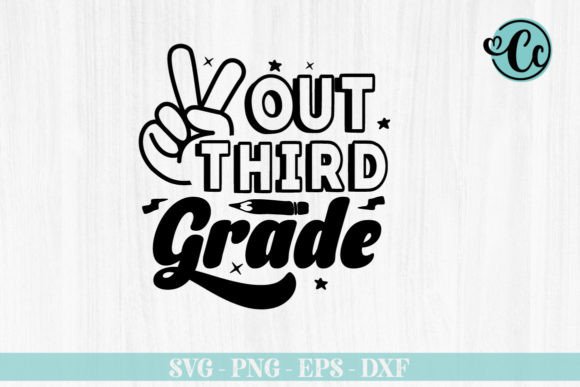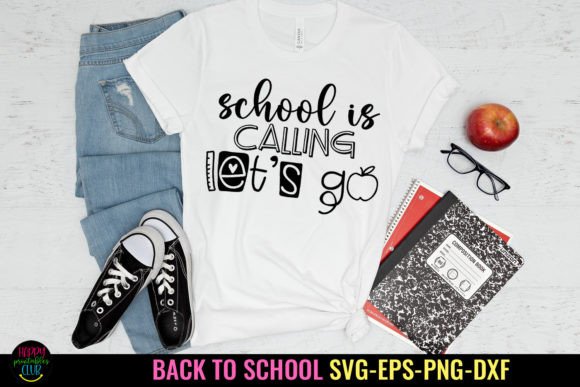
School is Calling: I Back to School SVG
“School is Calling: I Back to School SVG” isn’t just a playful phrase—it’s a versatile, ready-to-use digital design asset crafted for creators who value clarity, charm, and compatibility. Whether you’re printing custom t-shirts for your child’s first day, designing classroom welcome signs, or launching a small business selling back-to-school merchandise, this cut file delivers clean lines, balanced typography, and thoughtful spacing that translates well across materials—from cotton tees to ceramic mugs and vinyl decals.
What makes it especially useful is its intentional versatility: the phrase “I Back to School” plays on both the excitement of returning to learning and the gentle humor of being called back—making it relatable for students, teachers, homeschool families, and even nostalgic adults celebrating lifelong learning. It’s not generic clipart; it’s purpose-built for real-world crafting and small-batch production.
Common Missteps—and Why They Matter
Many people download SVG files like School is Calling I Back to School SVG expecting instant results—only to hit roadblocks later. These aren’t flaws in the file itself, but often stem from assumptions or oversights during selection or use.
Assuming All File Formats Work the Same Way
Just because a ZIP folder includes SVG, DXF, PNG, and EPS doesn’t mean they’re interchangeable in every context. For example, PNGs are raster images—great for screen previews or print-on-demand mockups—but they won’t cut cleanly on a Cricut or Silhouette without vector tracing. Meanwhile, DXF files sometimes lose layer information when imported into certain software, leading to misaligned text or missing outlines. If you’re cutting vinyl for t-shirts, SVG or DXF is ideal. If you’re sending artwork to a local print shop, EPS or high-res PNG (300 DPI) may be preferred.
Overlooking Size and Scaling Behavior
This design features bold, legible lettering—but scaling it up beyond 24 inches can expose subtle kerning inconsistencies or thin stroke weights that don’t hold up on large-format prints. One educator scaled it to 36 inches for a bulletin board, only to find the “I” looked disproportionately narrow. A better approach? Test at three sizes—12", 18", and 24"—in your design software *before* cutting or printing. Adjust tracking manually if needed, especially for oversized applications.
Misreading Licensing Scope
The file is intended for personal and small commercial use (e.g., selling 50 shirts at a PTA fundraiser), but it’s not licensed for unlimited mass production or resale as a standalone digital product. Some users have unknowingly uploaded it to third-party marketplaces as their own design—risking takedowns or disputes. Always check the license terms included in the download, and when in doubt, reach out to the creator directly. Legitimate sellers will clarify usage rights transparently.
What to Verify Before You Download or Buy
Before adding School is Calling I Back to School SVG to your cart—or using it in a client project—take two minutes to confirm these practical details:
- File organization: Are layers named clearly (e.g., “outline,” “shadow,” “text group”)? Well-structured files save time when editing colors or isolating elements.
- Stroke vs. fill treatment: Is the design built with outlined strokes (ideal for cutting) or live text (which may not render correctly across machines)? Open the SVG in a vector editor—if you see editable text boxes instead of paths, you’ll need to outline them first.
- Preview accuracy: Does the thumbnail match how it appears when opened? Some listings show stylized mockups that include extra shadows or backgrounds not present in the actual file. Zoom in on the preview image—look for crisp edges and consistent line weight.
- Software compatibility note: Reputable sellers mention tested platforms (e.g., “confirmed working in Cricut Design Space v7+, Silhouette Studio Business Edition, and Adobe Illustrator CC 2023”). If that’s missing, ask before purchasing.
Better Ways to Use This Design—Without Overcomplicating It
You don’t need advanced skills to get great results. Start simple, then expand:
- For t-shirts: Use the SVG version in Cricut Design Space. Ungroup elements, then weld the letters together before cutting heat-transfer vinyl. This prevents tiny gaps between letters from lifting after washing.
- For mugs or coasters: Import the EPS into Canva or Inkscape, convert text to outlines, then export as a high-resolution PNG (300 DPI) with a 0.125" bleed. Most sublimation printers require this format for crisp output.
- For classroom signs: Print the SVG at actual size on cardstock, then mount it on foam board. Skip laminating unless the sign will be handled frequently—the font weight holds up well on matte finishes without glare.
- For digital use: The included PNG works perfectly for email announcements or social media graphics—but resize it *before* uploading. Instagram compresses large files, which blurs fine details. Aim for under 2 MB and 1080px wide for best display.
And remember: this file shines brightest when paired with intention—not just volume. One small-business owner used it to create a cohesive set—matching first-day shirts, a welcome banner, and printable name tags—all in the same color palette and scale. That consistency built trust with parents and made her booth stand out at the school fair. It wasn’t about using *more* of the file, but using it *thoughtfully*.
If you're new to SVGs, start with one application—like making a single t-shirt—and notice how the design behaves. Then gradually explore other formats and surfaces. That hands-on familiarity helps you spot potential hiccups early and adapt faster than any tutorial could.
School is Calling I Back to School SVG works best when treated as a tool—not a shortcut. Choose wisely, test deliberately, and let the design support your goals instead of dictating them.