How to Draw Kawaii Back to School Doodle: A Joyful, Stress-Free Creative Ritual
Back-to-school season doesn’t have to mean stiff notebooks, sterile planners, or bland to-do lists. It can — and should — feel like a fresh burst of color, personality, and playful energy. That’s where how to draw Kawaii back to school doodle steps in: not just as a craft project, but as a gentle, grounding ritual that transforms routine into delight.
Why Kawaii Doodling Fits Perfectly Into Modern Student Life
Kawaii — Japanese for “cute” — isn’t about childishness. It’s about warmth, approachability, and emotional softness. In a world where students juggle deadlines, digital overload, and social pressure, Kawaii art offers something quietly powerful: permission to slow down, simplify, and smile. A single smiling pencil with rosy cheeks or a blushing notebook holding a tiny heart doesn’t just decorate a page — it signals care, intention, and self-compassion.
Unlike hyper-realistic drawing or technical illustration, Kawaii is forgiving. Big heads, tiny limbs, expressive eyes, and rounded shapes make it ideal for beginners — and deeply satisfying for seasoned doodlers who want to shift into a lighter, more joyful mode.
What Makes a Back-to-School Kawaii Doodle Work?
A great how to draw Kawaii back to school doodle balances recognizability with charm. You still need to know it’s a calculator, a backpack, or a stack of textbooks — but with extra sweetness baked in. Here’s what gives these doodles their magic:
- Exaggerated expressions: Eyes take center stage — think sparkly stars, blushing crescents, or sleepy half-moons. Even stationary items get personalities: a ruler might wink; an eraser could giggle mid-squeeze.
- Soft geometry: No sharp corners. Everything leans gently rounded — from the curve of a pencil tip to the puff of a backpack strap.
- Minimal detail, maximum feeling: One blush dot on each cheek. Three wavy lines for hair. A single ribbon bow on a notebook spine. Less is more — and cuter.
- Contextual storytelling: A pencil hugging a notebook. A pair of glasses resting on an open textbook like they’re taking a break. These tiny narratives invite connection and imagination.
Your Step-by-Step How to Draw Kawaii Back to School Doodle Guide
You don’t need fancy tools or years of training. Just grab a fine-tip pen, a soft pencil, or even your favorite marker — and follow this intuitive flow:
- Start with the core shape: For a backpack, sketch a friendly oval with rounded shoulders. For scissors, draw two overlapping teardrops with a shared pivot circle. Keep it loose — no rulers required.
- Add the face (yes, even for objects!): Place two large, simple circles for eyes near the top third of your shape. Add tiny black pupils, then a subtle upward curve for a smile — or a shy downward one for “shy calculator” energy.
- Build personality with accessories: Give your notebook bunny ears made from folded paper corners. Add a tiny apple sticker to a lunchbox. Let a highlighter wear sunglasses — tilted just so.
- Refine with line weight: Thicken outlines where shadows naturally fall — under a backpack flap, behind a pencil grip — to add subtle depth without complexity.
- Color with intention: Soft pastels dominate Kawaii palettes — mint, peach, lavender, butter yellow. But don’t feel locked in: a bold magenta pencil or neon-green ruler can pop beautifully when surrounded by calm tones.
Repeat this process across 5–7 key school icons (notebook, pencil, backpack, calculator, apple, glasses, and a friendly teacher emoji), and you’ll have a cohesive, printable set — perfect for decorating your planner cover, labeling dividers, or turning blank notebook margins into mini galleries.
From Paper to Practical: Real Ways Students Use These Doodles
This isn’t just decorative fluff. Students integrate Kawaii doodling into real academic workflows — often without even realizing how much it supports focus and retention.
One high school junior uses her how to draw Kawaii back to school doodle skills to design custom flashcards: each vocabulary word gets paired with a tiny illustrated definition — “photosynthesis” beside a sun-winking leaf, “metaphor” next to a book wearing a disguise. Her recall improved 40% over traditional note-taking, she says, because “my brain remembers the feeling first.”
Another college student prints out pre-drawn Kawaii supply icons onto sticker paper. She labels her laptop charger cord with a smiling plug, her USB drive with a blushing chip — turning tech clutter into a visual system she actually enjoys maintaining.
What’s Inside the Printable Pack? More Than Just Pretty Pictures
The downloadable resource isn’t a static image dump — it’s built for flexibility and longevity. Here’s why students and educators keep coming back:
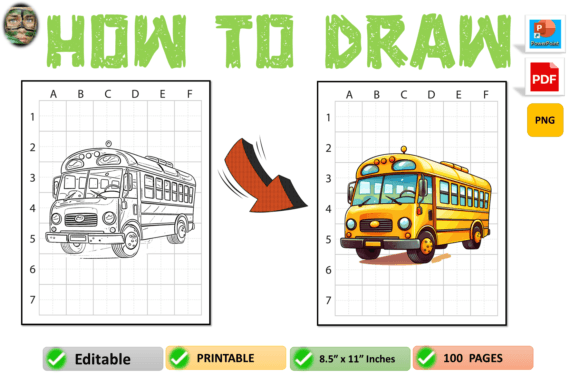
- 100-page PDF with full bleed: No awkward white borders cutting off your cute backpack’s fluffy straps. Print edge-to-edge on any standard printer — ideal for custom notebook covers or laminated desk mats.
- PNG files at 300 DPI: Crisp, scalable, and transparent-background ready. Drop them into Canva, Google Slides, or Notion dashboards without losing clarity.
- Editable PPT source files: Change colors in one click. Swap fonts on a label. Resize a doodle to fit a tiny margin or blow it up for a classroom poster. This isn’t “use as-is” — it’s “make it yours.”
- Print-ready quality: CMYK-optimized for professional printing, yet perfectly legible on home inkjets. Tested across paper types — from smooth cardstock to textured journal pages.
Why “Editable” Isn’t Just a Buzzword — It’s a Lifesaver
Students’ needs change fast. A freshman’s course load looks nothing like a senior’s thesis schedule. A middle schooler’s math notebook needs different icons than a coding club’s GitHub README. That’s why editable files matter: they let you adapt, iterate, and personalize — instead of starting over every semester.
Imagine swapping out the “science lab beaker” for a “robotics kit” icon, or adding your school mascot peeking from behind a textbook. With the PPT files, it takes under 90 seconds. Without them? Hours of redrawing — or settling for something that doesn’t quite fit.
Getting Started Takes Less Time Than Your First Bell Rings
You don’t need to clear your schedule. Try this today:
- Open the PDF on your tablet and trace one doodle using a stylus.
- Print a single page, grab a gel pen, and fill in three icons during your next 10-minute study break.
- Import one PNG into your digital planner and use it as a recurring weekly reminder icon (“Review notes → 📚✨”).
That’s it. No pressure. No perfectionism. Just presence — and the quiet thrill of making something small, sweet, and wholly yours.
Final Thought: Drawing Kawaii Is Self-Care in Disguise
In a culture that glorifies hustle and productivity above all, choosing to spend five minutes drawing a grinning stapler may seem trivial. But neuroscience confirms what doodlers already feel: rhythmic, low-stakes mark-making lowers cortisol, boosts mood, and primes the brain for learning.
So when you search how to draw Kawaii back to school doodle, you’re not just looking for drawing tips. You’re seeking a gentler way to show up — for class, for yourself, and for the beautiful, messy, hopeful work of growing.
Grab your pen. Press play on joy. And start drawing — not just supplies, but moments that feel like home.