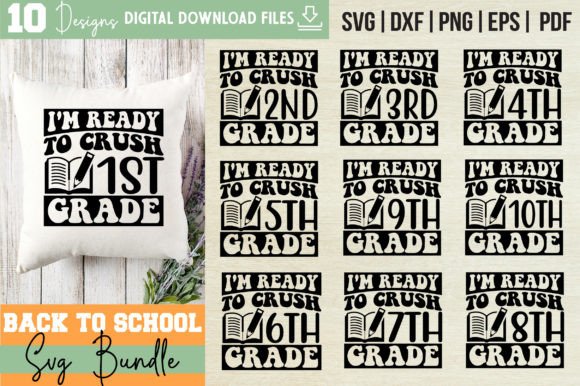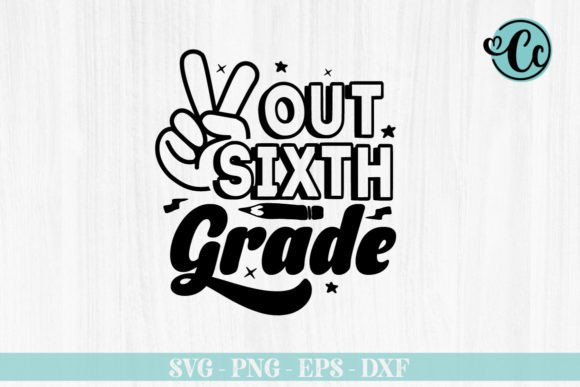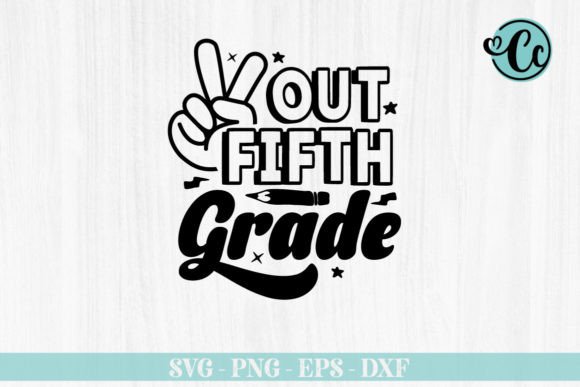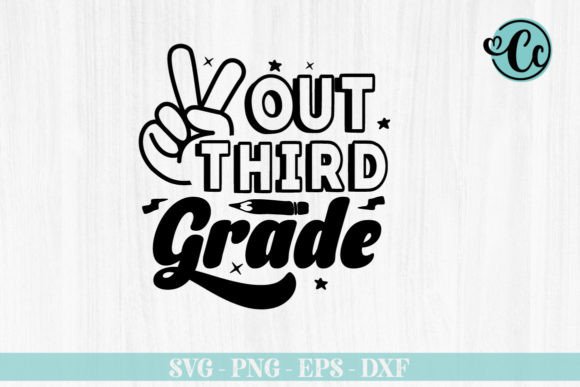
Back to School Stickers for Kids - VOL1
Imagine your child’s eyes lighting up as they peel off a sticker of a smiling rocket ship and stick it right on their new pencil case—no glue, no mess, just pure, unfiltered excitement. That’s the kind of small but meaningful spark Back to School Stickers for Kids - VOL1 delivers. This isn’t just another digital sticker pack—it’s a thoughtfully curated set of 20 vibrant, classroom-ready designs meant to turn everyday school prep into a joyful, personal ritual.
What You’re Actually Getting (and Why It Matters)
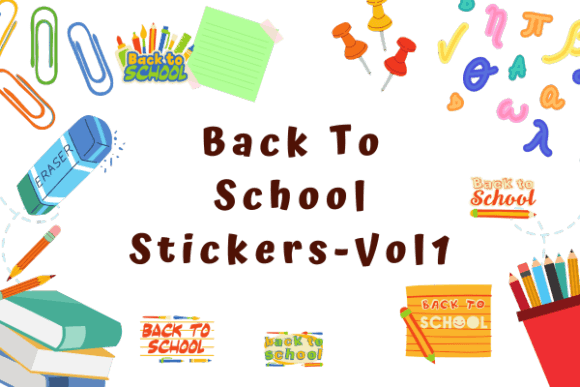
Back to School Stickers for Kids - VOL1 includes 20 high-resolution PNG files—each sized at 10 x 10 cm—so they scale beautifully whether printed on a tiny notebook corner or enlarged for a lunchbox lid. The PNG format means transparent backgrounds, crisp edges, and seamless layering over photos, planners, or custom labels. No white boxes. No blurry pixels. Just clean, ready-to-use art.
These aren’t generic clipart-style graphics. Think friendly owls holding pencils, cheerful apples with chalkboard patterns, math symbols wearing sunglasses, and backpacks full of books and stars. The motifs balance playfulness with subtle learning cues—making them equally at home in a kindergarten cubby or a fourth-grader’s science journal.
Real-Life Moments Where These Stickers Make a Difference
Let’s talk about where these stickers land—not just on paper, but in real life:
- First-day confidence boosters: A shy 6-year-old might not say much about starting first grade—but they’ll proudly point out the “I’m a Super Reader!” sticker on their water bottle. That tiny visual cue reinforces identity and belonging before they’ve even unpacked their crayons.
- Classroom organization that doesn’t feel like a chore: Teachers use these to label supply bins (“Glue Station,” “Scissors Spot”) or reward charts without printing dozens of laminated cards. One teacher we spoke with used the apple-themed stickers to mark completed reading logs—and saw a 30% uptick in students returning them on time.
- Homeschool rhythm-builders: For families doing at-home learning, the stickers become tactile anchors: a sun sticker marks “Morning Circle Time,” a book sticker signals “Independent Reading,” and a starburst marks “Finished!” It adds structure without rigidity—and gives kids agency in tracking their own progress.
- Backpack rehab for reluctant learners: If your middle-schooler groans every time you mention “school supplies,” try letting them personalize their gear. A few well-placed stickers on a worn-out backpack or laptop sleeve can shift how they feel about carrying it—turning obligation into ownership.
Who Benefits—and How They Use Them Differently
A preschool teacher might print five copies of each sticker, cut them out, and use them as hands-on matching games during circle time. A busy parent juggling three kids’ supply lists might batch-print all 20 onto sticker paper, then let each child choose five to decorate their notebooks *before* the first day—giving everyone a low-stakes win early in the process. A homeschooling parent of twins might use contrasting color-coded stickers (e.g., blue rocket for math, green leaf for nature study) so each child knows exactly where their materials belong—even when sharing a single desk.
Even therapists and special educators find quiet value here. One occupational therapist shared how she uses the stickers as part of sensory-friendly goal tracking: children place a sticker on a visual chart after completing a fine-motor task. The act of peeling and placing builds dexterity; the visual feedback supports executive function—and the fun design keeps resistance low.
Things to Keep in Mind Before You Download
Since these are digital files, you’ll need access to basic printing tools—or a local print shop—to bring them to life. Most users get great results with standard matte sticker paper (like Avery 5268 or similar), but glossy finishes work beautifully for water bottles or lunchboxes if you want extra durability. Just remember: the 10 x 10 cm size is generous—so if you’re planning to use them on smaller items (like pencil erasers or index cards), you may want to resize in your editing software first.
Also worth noting: while the designs are kid-friendly and inclusive in spirit, they don’t include names, pronouns, or culturally specific references—so they’re adaptable across classrooms, countries, and family structures. That neutrality is intentional: it leaves room for *your* child, *your* student, or *your* curriculum to fill in the meaning.
Where These Stickers Shine—and Where They’re Not the Full Solution
The strength of Back to School Stickers for Kids - VOL1 lies in its simplicity and flexibility. It doesn’t require subscriptions, logins, or device compatibility checks. You download once, print as needed, and keep using them year after year—even across siblings or grade levels. And because they’re PNGs, you can easily layer them into Canva templates, Google Slides for morning announcements, or even custom name tags for orientation day.
That said, they’re not magic. A sticker won’t replace consistent routines, open communication with teachers, or emotional support during transitions. But what it *can* do is soften the edges—make the unfamiliar feel friendlier, turn a blank notebook into something that belongs to *them*, and offer a tiny, tangible moment of control in a season full of new expectations.
Small Touches, Big Shifts
Think about the last time you saw a child pause mid-routine—not to complain, but to carefully line up three stickers along the spine of their binder, arranging them just so. That’s not decoration. That’s investment. That’s them saying, “This is mine. I’m part of this.”
Back to School Stickers for Kids - VOL1 meets kids where they are: curious, creative, and craving connection—even if they don’t yet have the words for it. It meets adults where *we* are: trying to balance practicality with warmth, preparation with presence, and efficiency with heart. You don’t need to overhaul your entire back-to-school system to make space for this. Just one sheet of stickers, one quiet afternoon, and one chance to let your child lead the way—with glitter, geometry, or a giggling pencil.